
Waste reduction
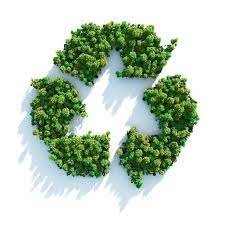
Waste reduction
courtesy : Waste reduction
Defining waste reduction
The first problem confronting the Committee was that of defining their area of concern. In the US Environmental Protection Agency’s. Third Report to Congress on Resource Recovery and Waste Reduction 6 waste reduction is defined as the ‘prevention of waste at its source, either by redesigning products or by otherwise changing societal patterns of consumption or waste generation’. However there has been some confusion over the distinction between waste reduction and resource recovery, both of which are intended to conserve natural resource and reduce the flow of materials requiring disposal. If a refillable bottle is returned to a retailer for a deposit and is subsequently reused, this has generally been considered to be waste generation’. reduction ; however, if a householder separates out newspaper, glass, or metals from the rest of the garbage and makes them available for recycling (either voluntarily or for payment), this has generally been considered to be resource recovery. The distinction appears to hinge on ‘waste’ reduction: the definition of ‘waste’ or, more precisely, the point at which an item is said to enter the waste stream. The Committee decided that for the purpose of their report, the waste stream would by definition include all items that no longer serve their originally intended purpose. Thus a refillable container, while it continued to be reused, would not be considered a waste, while a non-refillable container would be (even if it is recycled into the manufacture of new containers). It was noted that the latter has value solely because of its content of materials, while the former also has value as a product (although even refillable containers are ultimately discarded, at which time they become waste). The importance of the distinction should perhaps not be exaggerated, since both waste reduction and resource recovery are simply means to an . end. It can be argued that, in comparing policy options, the overriding consideration should be the extent to which benefits are gained (ie objectives are met) at an acceptable level of costs, rather than the way in which the policies happen to be
categorised. Studies by the Environmental Protection Agency (EPA) have indicated that a balanced approach using more than one option waste).’is likely to be the wisest course to take.
# Environmental Protection Agency’s (EPA)
# Resource Recovery
# Report to Congress
#ISBC

You may also like

Urban heat local food production
Vibrant Agro industry

