
Waste recycling
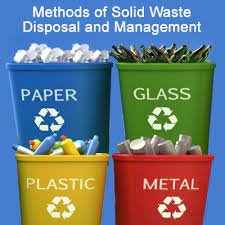
Waste recycling
courtesy : Waste recycling
1.Mechanical Recycling
One of the most globally used methods of giving residues new usages is mechanic recycling. This method is used to recycle plastics, either obtained from industrial scrap, or domestic, or commercial disposals. The residues are mechanically transformed into new materials without changing their chemical structures. Mechanical recycling is the process of making plastic wastes useful by processes like grinding, washing, separating, drying, re-granulating, and compounding. The polymers stay unaffected in this process and can be reused again and again in the same or similar product. Such mechanically recycled plastics are used in making garbage bags, floors, hoses, car parts, and packages. Mechanical recycling is widely used for Polyolefin (PE and PP).
2. Energy Recycling
The method used to convert plastics into both thermal and electric energy is called energy recycling. The process is done by leveraging, through incineration and the heat is released in the form of fuel. As this recycling process requires a little room, it can diversify the energetic matrix and optimize the space available in highly populated cities. As it is not financially sustainable, so it requires heavy investment and public authorities’ engagement. This recycling method is widely used in Europe and Japan. Furthermore, energy recycling is an environmental-friendly solution. There are catalyzers in waste incineration plants to withhold the emissions of the energy recycling process. Miguel Bahiense, Plastivida’s CEO, the Social and Environmental Institute for Plastics says that: “In the ’70s and ’80s, energy recycling was considered negatively as its emissions had adverse effects on the environment. Now the incineration equipment has become advanced and makes sure that emissions are environment-friendly.”
3.Chemical Recycling
Among all types of recycling, chemical recycling is the most complex method. In this process, the chemical structures of plastics are modified after reprocessing them. The final product is produced to be used as raw material in different industries. It can also be used as a basic input in manufacturing new plastic products. It is an expensive process and requires a large amount of plastic available. According to Miguel Bahiense, Plastivida’s CEO, the chemical recycling process is still under development. So it’s too early to talk about its potential. Chemical recycling instead of replacing energy and mechanical methods, proposes alternative solutions to these processes”. He said “Chemical recycling process exists only in labs and we can’t refer to it as a real-world thing. This process is still in its early development stages. It is a complex process and requires great technology development.”
# mechanic recycling
#energy recycling
# Chemical recycling
#ISBC

You may also like

Urban heat local food production
Vibrant Agro industry

