
smart city
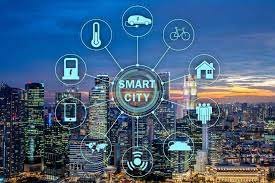
Smart city
courtesy : smart city
Data collection of smart city
Smart cities have been conceptualized using the OSI model of ‘layer’ abstractions. Smart cities are constructed by connecting the city’s public infrastructure with city application systems and passing collected data through three layers, the perception layer, the network layer and the application layer. City application systems then use data to make better decisions when controlling different city infrastructures. The perception layer is where data is collected across the smart city using sensors. This data could be collected through sensors such as cameras, RFID, or GPS positioning. The perception layer sends data it collects using wireless transmissions to the network layer. The network layer is responsible for transporting collected data from the perception layer to the application layer. The network layer utilizes a city’s communication infrastructure to send data meaning it can be intercepted by attackers and must be held responsible for keeping collected data and information private. The application layer is responsible for processing the data received from network layer. The application layer uses the data it processes to make decisions on how to control the city infrastructure based on the data it receives.
#COLLECTION OF DATA
Frameworks
The creation, integration, and adoption of smart city capabilities require a unique set of frameworks to realize the focus areas of opportunity and innovation central to smart city projects. The frameworks can be divided into 5 main dimensions which include numerous related categories of smart city development:
Technology framework
A smart city relies heavily on the deployment of technology. Different combinations of technological infrastructure interact to form the array of smart city technologies with varying levels of interaction between human and technological systems.
- Digital: A service oriented infrastructure is required to connect individuals and devices in a smart city. These include innovation services and communication infrastructure. Yovanof, G. S. & Hazapis, G. N. define a digital city as “a connected community that combines broadband communications infrastructure; a flexible, service-oriented computing infrastructure based on open industry standards; and, innovative services to meet the needs of governments and their employees, citizens and businesses.”
- Intelligent: Cognitive technologies, such as artificial intelligence and machine learning, can be trained on the data generated by connected city devices to identify patterns. The efficacy and impact of particular policy decisions can be quantified by cognitive systems studying the continuous interactions of humans with their urban surroundings.
- Ubiquitous: A ubiquitous city provides access to public services through any connected device. U-city is an extension of the digital city concept because of the facility in terms of accessibility to every infrastructure.
- Wired: The physical components of IT systems are crucial to early-stage smart city development. Wired infrastructure is required to support the IoT and wireless technologies central to more interconnected living. A wired city environment provides general access to continually updated digital and physical infrastructure. The latest in telecommunications, robotics, IoT, and various connected technologies can then be deployed to support human capital and productivity.
- Hybrid: A hybrid city is the combination of a physical conurbation and a virtual city related to the physical space. This relationship can be one of virtual design or the presence of a critical mass of virtual community participants in a physical urban space. Hybrid spaces can serve to actualize future-state projects for smart city services and integration.
- Information city: The multiplicity of interactive devices in a smart city generates a large quantity of data. How that information is interpreted and stored is critical to Smart city growth and security.
#smart city
# technology frameworks
#ISBC

You may also like

Urban heat local food production
Vibrant Agro industry

