
Organic composting
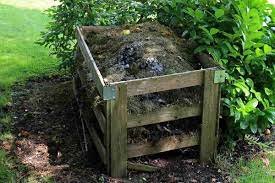
Organic composting
courtesy : Organic composting
Materials that can be composted
Potential sources of compostable materials, or feedstocks, include residential, agricultural, and commercial waste streams. Residential food or yard waste can be composted at home, or collected for inclusion in a large-scale municipal composting facility. In some regions, it could also be included in a local or neighborhood composting project.
Organic solid waste
There are two broad categories of organic solid waste: green waste and brown waste.
Green waste is generally considered a source of nitrogen and includes pre and post-consumer food waste, grass clippings, garden trimmings, and fresh leaves. Animal carcasses, roadkill, and butcher residue can also be composted and these are considered nitrogen sources.
Brown waste is a carbon source. Typical examples are dried vegetation and woody material such as fallen leaves, straw, woodchips, limbs, logs, pine needles, sawdust, and wood ash but not charcoal ash. Products derived from wood such as paper and plain cardboard are also considered carbon sources.
Animal manure and bedding
On many farms, the basic composting ingredients are animal manure generated on the farm as a nitrogen source, and bedding as the carbon source. Straw and sawdust are common bedding materials. Non-traditional bedding materials are also used, including newspaper and chopped cardboard. The amount of manure composted on a livestock farm is often determined by cleaning schedules, land availability, and weather conditions. Each type of manure has its own physical, chemical, and biological characteristics. Cattle and horse manures, when mixed with bedding, possess good qualities for composting. Swine manure, which is very wet and usually not mixed with bedding material, must be mixed with straw or similar raw materials. Poultry manure must be blended with high-carbon, low-nitrogen materials.
#compostable materials
#Animal manure and bedding
#Organic solid waste
#ISBC

You may also like

Urban heat local food production
Vibrant Agro industry

