
Composting At Home
Courtesy : epa.gov
Composting At Home
Compost is organic material that can be added to soil to help plants grow. Food scraps and yard waste together currently make up more than 30 percent of what we throw away, and could be composted instead. Making compost keeps these materials out of landfills where they take up space and release methane, a potent greenhouse gas.
On this page:
Composting Basics
All composting requires three basic ingredients:
- Browns – This includes materials such as dead leaves, branches, and twigs.
- Greens – This includes materials such as grass clippings, vegetable waste, fruit scraps, and coffee grounds.
- Water – Having the right amount of water, greens, and browns is important for compost development.
Your compost pile should have an equal amount of browns to greens. You should also alternate layers of organic materials of different-sized particles. The brown materials provide carbon for your compost, the green materials provide nitrogen, and the water provides moisture to help break down the organic matter.
What To Compost
- Fruits and vegetables
- Eggshells
- Coffee grounds and filters
- Tea bags
- Nut shells
- Shredded newspaper
- Cardboard
- Paper
- Yard trimmings
- Grass clippings
- Houseplants
- Hay and straw
- Leaves
- Sawdust
- Wood chips
- Cotton and Wool Rags
- Hair and fur
- Fireplace ashes
What Not To Compost and Why
- Black walnut tree leaves or twigs
– Releases substances that might be harmful to plants - Coal or charcoal ash
– Might contain substances harmful to plants - Dairy products (e.g., butter, milk, sour cream, yogurt) and eggs*
– Create odor problems and attract pests such as rodents and flies - Diseased or insect-ridden plants
– Diseases or insects might survive and be transferred back to other plants - Fats, grease, lard, or oils*
– Create odor problems and attract pests such as rodents and flies - Meat or fish bones and scraps*
– Create odor problems and attract pests such as rodents and flies - Pet wastes (e.g., dog or cat feces, soiled cat litter)*
– Might contain parasites, bacteria, germs, pathogens, and viruses harmful to humans - Yard trimmings treated with chemical pesticides
– Might kill beneficial composting organisms* Check with your local composting or recycling coordinator to see if these organics are accepted by your community curbside or drop-off composting program.
Benefits of Composting
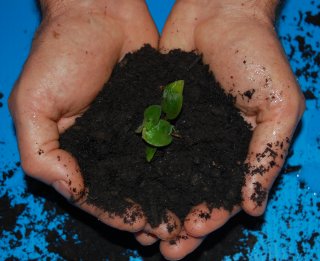
- Enriches soil, helping retain moisture and suppress plant diseases and pests.
- Reduces the need for chemical fertilizers.
- Encourages the production of beneficial bacteria and fungi that break down organic matter to create humus, a rich nutrient-filled material.
- Reduces methane emissions from landfills and lowers your carbon footprint.
How to Compost at Home
There are many different ways to make a compost pile; we have provided the following for general reference. Helpful tools include pitchforks, square-point shovels or machetes, and water hoses with a spray head. Regular mixing or turning of the compost and some water will help maintain the compost.
Backyard Composting
- Select a dry, shady spot near a water source for your compost pile or bin.
- Add brown and green materials as they are collected, making sure larger pieces are chopped or shredded.
- Moisten dry materials as they are added.
- Once your compost pile is established, mix grass clippings and green waste into the pile and bury fruit and vegetable waste under 10 inches of compost material.
- Optional: Cover top of compost with a tarp to keep it moist. When the material at the bottom is dark and rich in color, your compost is ready to use. This usually takes anywhere between two months to two years.
Indoor Composting
If you do not have space for an outdoor compost pile, you can compost materials indoors using a special type of bin, which you can buy at a local hardware store, gardening supplies store, or make yourself. Remember to tend your pile and keep track of what you throw in. A properly managed compost bin will not attract pests or rodents and will not smell bad. Your compost should be ready in two to five weeks.

You may also like
Urban heat local food production
Vibrant Agro industry