
Wind energy
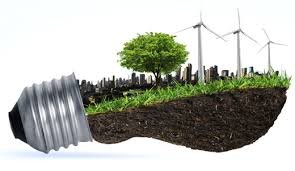
Wind energy
courtesy : Wind energy
Small-scale wind power
Small-scale wind power is the name given to wind generation systems with the capacity to produce up to 50 kW of electrical power. Isolated communities, that may otherwise rely on diesel generators, may use wind turbines as an alternative. Individuals may purchase these systems to reduce or eliminate their dependence on grid electric power for economic reasons, or to reduce their carbon footprint. Wind turbines have been used for household electric power generation in conjunction with battery storage over many decades in remote areas.
Examples of small-scale wind power projects in an urban setting can be found in New York City, where, since 2009, several building projects have capped their roofs with Gorlov-type helical wind turbines. Although the energy they generate is small compared to the buildings’ overall consumption, they help to reinforce the building’s ‘green’ credentials in ways that “showing people your high-tech boiler” cannot, with some of the projects also receiving the direct support of the New York State Energy Research and Development Authority.
Grid-connected domestic wind turbines may use grid energy storage, thus replacing purchased electric power with locally produced power when available. The surplus power produced by domestic microgenerators can, in some jurisdictions, be fed into the network and sold to the utility company, producing a retail credit for the microgenerators’ owners to offset their energy costs.
Off-grid system users can either adapt to intermittent power or use batteries, photovoltaic, or diesel systems to supplement the wind turbine. Equipment such as parking meters, traffic warning signs, street lighting, or wireless Internet gateways may be powered by a small wind turbine, possibly combined with a photovoltaic system, that charges a small battery replacing the need for a connection to the power grid.
Distributed generation from renewable resources is increasing as a consequence of the increased awareness of climate change. The electronic interfaces required to connect renewable generation units with the utility system can include additional functions, such as active filtering to enhance the power quality.
Airborne wind turbines, such as kites, can be used in places at risk of hurricanes, as they can be taken down in advance.
# Small wind turbine
#electric power generation
Impact on environment and landscape
The environmental impact of wind power is minor compared to that of fossil fuels. According to the IPCC, in assessments of the life-cycle greenhouse-gas emissions of energy sources, wind turbines have a median value of 12 and 11 (gCO2eq/kWh) for offshore and onshore turbines, respectively. Wind turbines have some of the lowest global warming potential per unit of electricity generated.
Onshore (on-land) wind farms can have a significant visual impact and impact on the landscape. Due to a very low surface power density and spacing requirements, wind farms typically need to be spread over more land than other power stations. Their network of turbines, access roads, transmission lines, and substations can result in “energy sprawl”; although land between the turbines and roads can still be used for agriculture. They also need to be built away from urban areas, which can lead to “industrialization of the countryside”. Some wind farms are opposed for potentially spoiling protected scenic areas, archaeological landscapes and heritage sites. A report by the Mountaineering Council of Scotland concluded that wind farms harmed tourism in areas known for natural landscapes and panoramic views.
Habitat loss and fragmentation are the greatest potential impacts on wildlife of onshore wind farms. But the worldwide ecological impact is minimal. Thousands of birds and bats, including rare species, have been killed by wind turbine blades, though wind turbines are responsible for far fewer bird deaths than fossil-fueled power stations. This can be mitigated with proper wildlife monitoring.
Many wind turbine blades are made of fiberglass and some only had a lifetime of 10 to 20 years. Previously, there was no market for recycling these old blades, and they were commonly disposed of in landfills. Because blades are hollow, they take up a large volume compared to their mass. Since 2019, some landfill operators have begun requiring blades to be crushed before being landfilled. Blades manufactured in the 2020s are more likely to be designed to be completely recyclable.
Wind turbines also generate noise. At a distance of 300 metres (980 ft) this may be around 45 dB, which is slightly louder than a refrigerator. At 1.5 km (1 mi) distance they become inaudible. There are anecdotal reports of negative health effects on people who live very close to wind turbines. Peer-reviewed research has generally not supported these claims.
#Environmental impact of wind power
#ISBC

You may also like

Urban heat local food production
Vibrant Agro industry

