
What is Renewable Energy?
What is Renewable Energy?
Renewable energy comes from sources or processes that are constantly replenished. These sources of energy include solar energy, wind energy, geothermal energy, and hydroelectric power.
Renewable sources are often associated with green energy and clean energy, but there are some subtle differences between these three energy types. Where renewable sources are those that are recyclable, clean energy are those that do not release pollutants like carbon dioxide, and green energy is that which comes from natural sources. While there is often cross-over between these energy types, not all types of renewable energy are actually fully clean or green. For example, some hydroelectric sources can actually damage natural habitats and cause deforestation.
The Development of Renewable Energy
Although renewable energy is often seen as a solution for the future of our power needs, we have been harnessing the natural power of nature for centuries. Windmills and water wheels were used to power granaries, while the sun has been used to create fire for heat and light.
However, humans became increasingly dependent on the use of fossil fuels including coal and natural gas. The widespread use of these types of energy has been shown to have had a detrimental impact on the planet, with increasing global temperatures, an increase in extreme weather events and the loss of natural habitats as a result.
Recent advances in capture and storage, along with the global drive towards Net Zero, has created an expansion in renewable and green energy production. These advances range from small-scale production, such as the placing of solar panels on a home, to large-scale facilities like offshore wind farms.
Types
There area range of renewable sources that have been developed, with each offering their own advantages and challenges depending on factors such as geographical location, requirements for use and even the time of year.
1. Solar Power
The potential for the sun to supply our power needs is huge, considering the fact that enough energy to meet the planet’s power needs for an entire year reaches the earth from the sun in just one hour. However, the challenge has always remained in how to harness and use this vast potential.
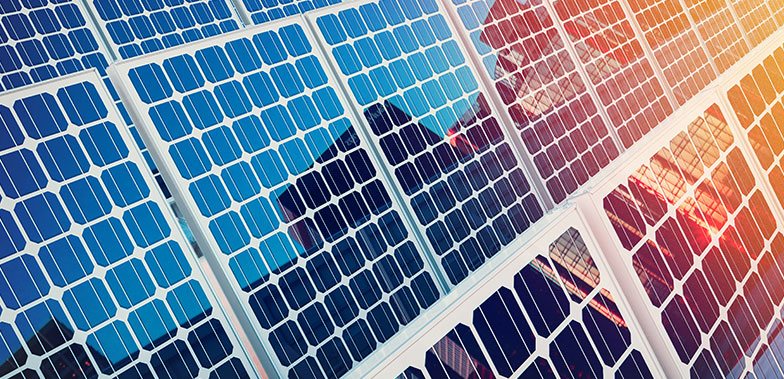
We currently use solar energy to heat buildings, warm water and power our devices. The power is collected using solar, or photovoltaic (PV), cells made from silicon or other materials. These cells transform sunlight into electricity and can power anything from the smallest garden light to entire neighbourhoods. Rooftop panels can provide power to a home, while community projects and solar farms that use mirrors to concentrate the sunlight can create much larger supplies. Solar farms can also be created in bodies of water, called ‘floatovoltaics’ these provide another option for locating solar panels.
As well as being renewable, solar powered energy systems are also clean energy sources, since they don’t produce air pollutants or greenhouse gases. If the panels are responsibly sited and manufactured they can also count as green energy as they don’t have an adverse environmental impact.
2. Wind Power
Wind energy works much like old-fashioned windmills did, by using the power of the wind to turn a blade. Where the motion of these blades would once cause millstones to grind together to make flour, today’s turbines power a generator, which produces electricity.
When wind turbines are sited on land they need to be placed in areas with high winds, such as hilltops or open fields and plains. Offshore wind power has been developing for decades with wind farms providing a good solution for energy generation while avoiding many of the complaints around them being unsightly or noisy on land. Of course, offshore use has its own drawbacks due to the aggressive environments the turbines need to operate in.
3. Hydroelectric Power
Hydroelectric power works in a similar manner to wind power in that it is used to spin a generator’s turbine blades to create electricity. Hydro power uses fast moving water in rivers or from waterfalls to spin the turbine blades and is widely used in some countries. It is currently the largest renewable energy source in the United States, although wind energy is fast closing the gap.
Hydroelectric dams are a renewable energy source, but these are not necessarily green energy sources. Many of the larger ‘mega-dams’ divert natural water sources, which creates a negative impact for animal and human populations due to restricted access to the water source. However, if carefully managed, smaller hydroelectric power plants (under 40 megawatts) do not have such a catastrophic effects on the local environment as the divert just a fraction of the water flow.
4. Biomass Energy
Biomass energy uses organic material from plants and animals, including crops, trees, and waste wood. This biomass is burned to create heat which powers a steam turbine and generates electricity. While biomass can be renewable if it is sustainably sourced, there are many instances where this is neither green nor clean energy.
Studies have shown that biomass from forests can produce higher carbon emissions than fossil fuels, while also have an adverse impact on biodiversity. Despite this, some forms of biomass do offer a low-carbon option given the correct circumstances. Sawdust and wood chippings from sawmills, for example, can be used for biomass energy where it would normally decompose and release higher levels of carbon into the atmosphere.
6. Geothermal
Geothermal energy uses the heat trapped in the Earth’s core which is created by the slow decay of radioactive particles in rocks at the centre of the planet. By drilling wells, we are able to bring highly heated water to the surface which can be used as a hydrothermal resource to turn turbines and create electricity. This renewable resource can be made greener by pumping the steam and hot water back into the earth, thereby lowering emissions.
The availability of geothermal energy is closely tied to geographical location, with places such as Iceland having an easily reached, ready supply of geothermal resources.
Read our complete guide on geothermal energy
7. Tidal Power
Tidal power offers a renewable power supply option, since the tide is ruled by the constant gravitational pull of the moon. The power that can be generated by the tide may not be constant, but it is reliable, making this relatively new resource an attractive option for many.
However, care needs to be taken with regard to the environmental impact of tidal power, as tidal barrages and other dam-like structures can harm wildlife.

You may also like
Urban heat local food production
Vibrant Agro industry