
The ‘green’ buildings are leading the way to more sustainable and efficient urban planning
Courtesy : iberdrola
The ‘green’ buildings are leading the way to more sustainable and efficient urban planning
Sustainable buildings minimise energy and water consumption and are a key part of sustainable urban development that seeks to combat climate change. From large skyscrapers to novel museums, below we review some of the green buildings that pave the way to more responsible urban planning.
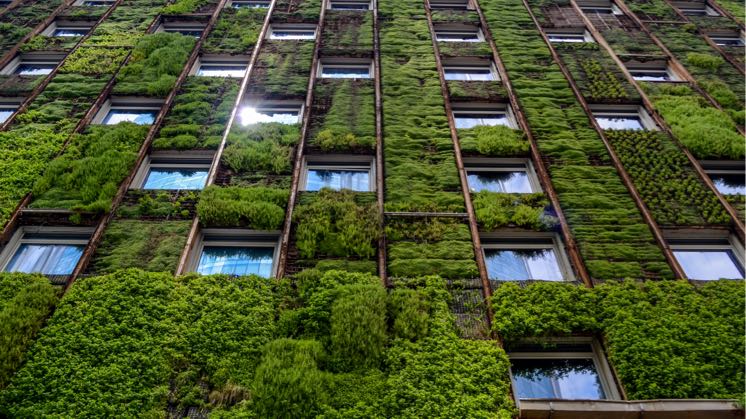
According to data from the United Nations (UN), in 2050 around 68% of humanity will live in cities. These represent only 3% of the planet’s surface, but consume 78% of energy and produce 60% of greenhouse gas emissions. For this reason, in 2016 the UN itself improved the New Urban Agenda to advise countries on their urbanisation processes and make cities more habitable, inclusive, healthy, resilient and sustainable.
WHAT IS A GREEN BUILDING AND ITS IMPORTANCE IN SUSTAINABLE URBAN PLANNING
As opposed to the commuter towns that were the result of the Industrial Revolution and the developmentalism of the 20th century, the new trends in urban planning include the construction of eco-neighbourhoods which are urban projects that aim to reduce the impact on the environment and change the living habits of citizens to make them more responsible for their surroundings. The construction of buildings and other infrastructures using sustainable technologies and materials is key to this type of initiative.
A green or sustainable building is a building that, because of its construction and features, can maintain or improve the quality of life of the environment in which it is located. To do this, it is essential to achieve a high level of efficiency: reducing the consumption of energy, water and other resources minimises pollution. The LEED certificate (Leadership in Energy and Environmental Design) is the internationally accepted official recognition that establishes whether a building deserves to be considered sustainable.

You may also like

Urban heat local food production
Vibrant Agro industry

