
natural ARHITECTURE
courtesy : rethinking the future
natural arhitecture
Architects and painters, before starting a new project, have an empty canvas in front of them. The cleanness of the canvas or white paper opens infinite possibilities of design ideas for a future project. But how should an architect start his/her projects? How do architects get inspired? Some architects find inspiration by the historical context of the site, others prefer to retake materials’ qualities, and finally, some architects prefer to observe their surroundings and the environmental typologies. The latter design approach is what characterizes some projects that are the result of forms inspired by nature.
For instance, one of the first projects inspired by natural morphology is Binet’s Monumental Gate for the 1900 World Fair in Paris, France. Binet’s architecture is the result of analyzing illustrations from Ernst Haeckel, who created a morphological illustration of natural creatures. Therefore, this is one example of how nature’s anatomy influences architects; as this project, numerous architectural buildings have adopted the same source of inspiration.
For that reason, we will introduce you to 15 projects around the world from different architectural periods that retake the importance of observing nature and reflecting its qualities.
Beijing National Stadium in Beijing, China.
The constructivist stadium, designed by Herzog & de Meuron, hosted numerous sports events during the Beijing Olympics in 2008 and Paralympics. The National Stadium is known as the Bird’s Nest, as the name says, it describes the building’s façade. Moreover, the steel structure’s concept was inspired by Chinese culture and Nature. First, the design represents the Chinese culture’s philosophies, such as “Yin Yang,” which highlights the importance of harmony. The façade design retook the physical qualities of the nest of birds that contributed to the stadium’s infrastructure. The aesthetic stadiums demonstrated to be a resilience design that highlights the importance of natural structures.


2. BIQ Building in Hamburg, Germany.
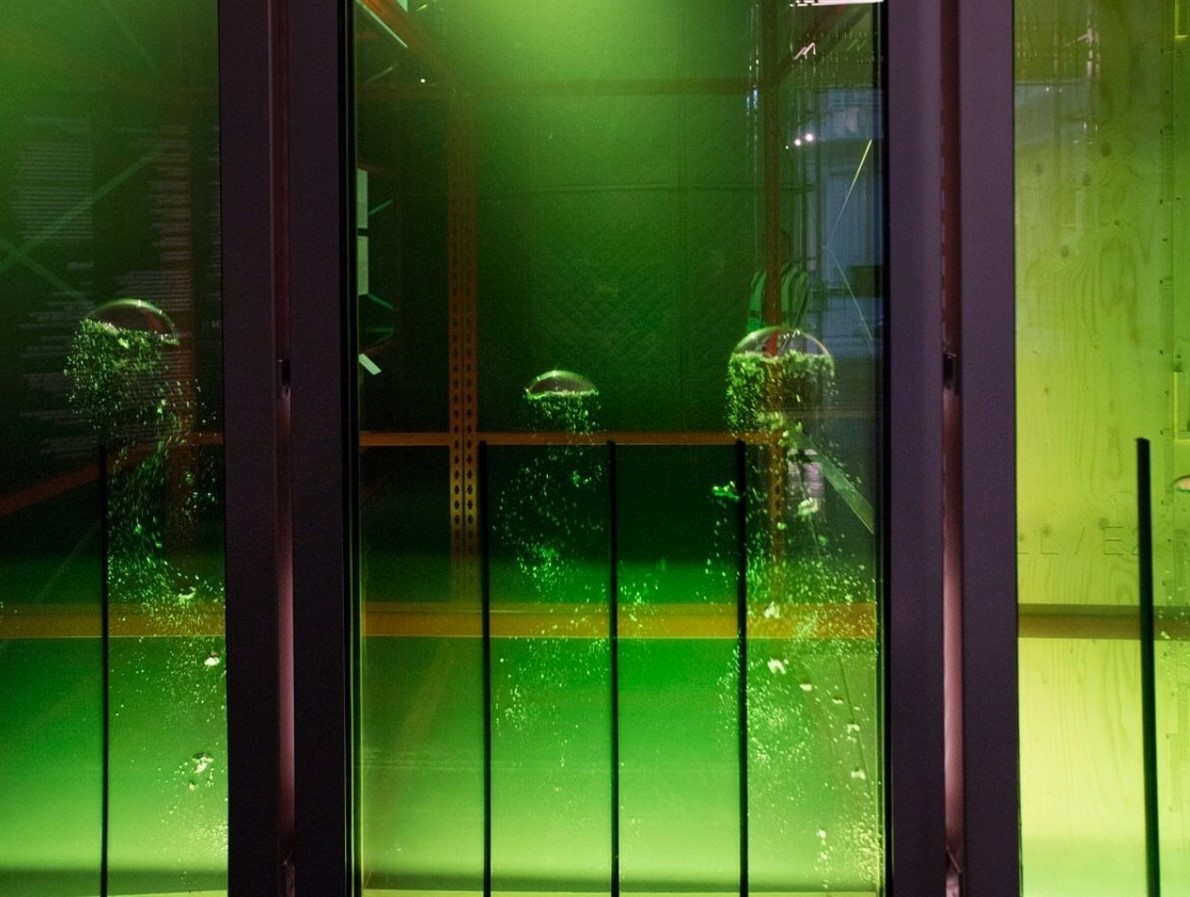
If you were wondering why the building is green, we have an answer for you. The BIQ building or “the Algae House” is a Bio Intelligent Quotient building that renovates energy. The panels around the building have an essential role in the building’s structure, and they serve as biofuel and shading protectors. However, the panels are filled with microalgae that absorb the exterior natural light, and it performs photosynthesis. As a result, algae exposure maximizes the growing process of the organisms. The natural process also heats the water inside the “Algae House” and optimizes the building’s performance. Lastly, the “bio-skin” has decreased the building’s expenses and has demonstrated the world’s alternative solutions for sustainable architecture.

3. Flor de Venezuela en Barquisimeto, Venezuela.
In 2000, the pavilion was built for the Expo 2000 World’s Fair in Hanover, Germany. The Venezuelan architect Fruto Vivas was influenced by the national flora known as the orchid. As a result, Vivas designed a kinetic building which creates a shelter for occupants. The structure consists of sixteen centralized petals; the structure opens and closes depending on the weather. By closing the petals, the interior creates a shelter on rainy days. Until the present, the pavilion exhibition about natural biodiversity was found in Venezuela’s picturesque landscapes.

You may also like

Urban heat local food production
Vibrant Agro industry