
Green villages
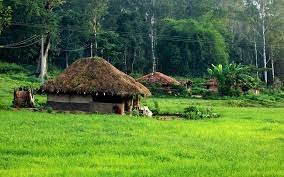
Green villages
courtesy : Green villages
Information
Benefits of Green Villages
The green villages will adopt a holistic approach to sustainability and will set an example for the villages in the country to adopt green principles. The conversion of existing villages to green villages would result in multifold benefits, both tangible and intangible. The most tangible benefits are the reduction in water & energy demand and better handling of solid waste in the village. The intangible benefits of green villages include access to safe drinking water & sanitation and the basic facilities like healthcare, schools, transport, recreation.
The rating system shall address the following national priorities:
- Clean Village and Improved Lifestyle
- Improved Drinking water and Sanitation facilities,
- Adequate infrastructure for Education & Healthcare,
- Reduced Potable water demand,
- Effective
- Solid waste management,
- Ensure Power security through Clean Energy,
- Local Economic Development
- Digital Village Initiative.
Introduction
A village green is a common open area within a village or other settlement. Historically, a village green was common grassland with a pond for watering cattle and other stock, often at the edge of a rural settlement, used for gathering cattle to bring them later on to a common land for grazing. Later, planned greens were built into the centres of villages.
The village green also provided, and may still provide, an open-air meeting place for the local people, which may be used for public celebrations such as May Day festivities. The term is used more broadly to encompass woodland, moorland, sports grounds, buildings, roads and urban parks.
#India’s soul rests in her villages
#green villages
#igbc green villages
#ISBC

You may also like

Urban heat local food production
Vibrant Agro industry

