
GREEN AFFORDABLE HOUSING
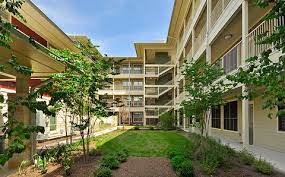
GREEN AFFORDABLE HOUSING
courtesy : GREEN AFFORDABLE HOUSING
How Affordable Green Housing Enhances Cities
A seemingly simple equation, but one that is challenging to consistently and holistically solve for in practice. Sustainability is typically described as having three dimensions: environment, economy, and equity. Green building guidelines provide clear practical guidance on how to capture the environmental and economic benefits but are less clear on how to articulate and implement the equity aspects of sustainability. Equity focuses on the social aspects of sustainability. Evaluating equity from structural, procedural, and distributional perspectives can reveal how both burdens and benefits are distributed through a society, with the goal of eliminating unjust practices and detrimental disparities.
Housing that is affordable to low-income residents is often substandard and suffering from deferred maintenance, exposing residents to poor air quality and high energy bills. This situation can exacerbate asthma and other respiratory health issues, and siphon scarce dollars from higher value items like more nutritious food, health care, or education. Providing safe, decent, affordable, and healthy housing is one way to address historic inequities in community investment. Engaging with affordable housing and other types of community benefit projects is an important first step toward fully integrating equity into the green building process. In creating a framework for going deeper on equity, our new book, the Blueprint for Affordable Housing (Island Press 2020), starts with the Convention on Human Rights and the fundamental right to housing.
Recognizing that affordable housing is part of the social infrastructure of cities, the U.N. Sustainable Development Goal 11 is an excellent starting point for exploring the multitude of opportunities and benefits that affordable housing developments can provide. It is also possible to identify the equity needs and opportunities of a community or housing development by examining equity from multiple lenses: structural, procedural, distributional, racial, and intergenerational. From this examination, communities might find that needs include:
- The ability to participate in decisions about the operations of the property through creation of a residents council
- To increase access to medical services or fresh food by bringing various service providers to the property
- Offering after school or evening courses
- Providing safe connections to public transit
- Opening communal spaces to members of the larger surrounding neighborhood on days with high or low temperatures
The Blueprint provides an overview of core equity components and how they can be addressed in the development and design of affordable housing. The Blueprint shows how green building strategies augment the core values of affordable housing, by reducing utility costs, increasing the health of the living environment, and increasing durability. When built in urban areas with good transit access, affordable housing helps cities and regions achieve their congestion reduction and climate action goals.
#affordable housing
#Green building guidelines
# the Blueprint for Affordable Housing
#ISBC

You may also like

Urban heat local food production
Vibrant Agro industry

