
AVIATION CARBON NEUTRAL GAS
AVIATION CARBON NEUTRAL GAS
Caurtesy : AVIATION CARBON NEUTRAL GAS
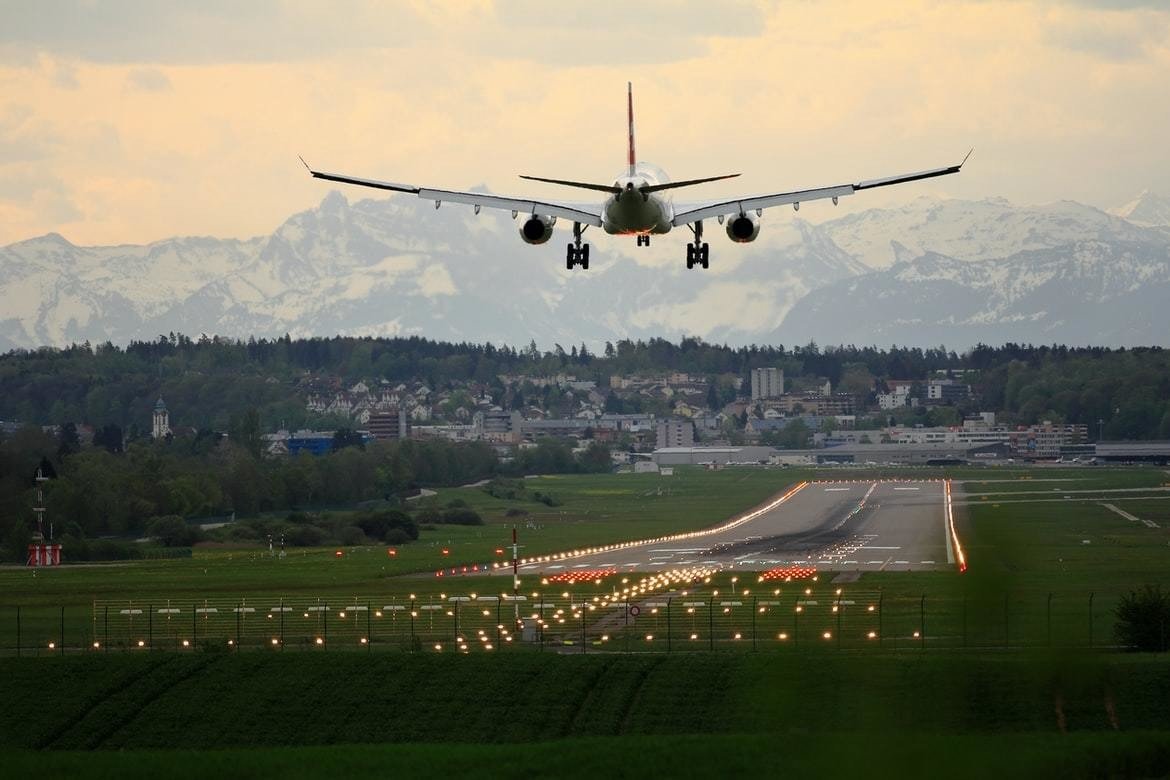
The aviation industry is responsible for approximately 5% of global anthropogenic emissions that cause climate change. It is heavily reliant on kerosene, also known as jet fuel, which is a liquid hydrocarbon fuel derived primarily from crude oil. At the moment, there are no clean options available to power long-haul commercial flights on a global scale.
“With our solar technology, we have shown that we can produce synthetic kerosene from water and CO2 instead of deriving it from fossil fuels. The amount of CO2 emitted during kerosene combustion in a jet engine equals that consumed during its production in the solar plant,” Steinfeld says. “That makes the fuel carbon neutral, especially if we use CO2 captured directly from the air as an ingredient, hopefully in the not-too-distant future.”
Steinfeld and his colleagues proposed a system that uses solar energy to generate drop-in fuels, which are synthetic options for fossil-derived fuels like kerosene and diesel, as part of the European Union’s SUN-to-LIQUID project.
According to Steinfeld, solar-produced kerosene is fully consistent with current aviation infrastructure for fuel storage, allocation, and use in jet engines. He adds that it can also be merged with fossil-derived kerosene.
In 2017, the team began scaling up the design and construction of a solar fuel manufacturing plant at the IMDEA Energy Institute in Spain. The plant is made up of 169 sun-tracking reflective panels that redirect and concentrate solar radiation into a tower-mounted solar reactor. The concentrated solar energy then powers oxidation-reduction (redox) reaction cycles in the solar reactor’s porous ceria structure.
The ceria, which is not absorbed but can be reused, transforms the water and CO2 injected into the reactor into syngas, a customized mixture of hydrogen and carbon monoxide. Syngas is then fed into a gas-to-liquid converter, where it is converted into liquid hydrocarbon fuels such as kerosene and diesel.

You may also like

Urban heat local food production
Vibrant Agro industry

