• Home
    • Cart

      0
Have any question?
+91 7979801035
info@internationalsbc.org

Career |Shop| Courses | Accredited Organizations

Internationalsbc

    • Home
    • Cart

      0

  • Home
  • Blog
  • Posted by Hostinger Admin
  • Date January 10, 2022
  • Comments 0 comment

courtesy  :  https://projectfoodforest.org/what-is-a-food-forest/

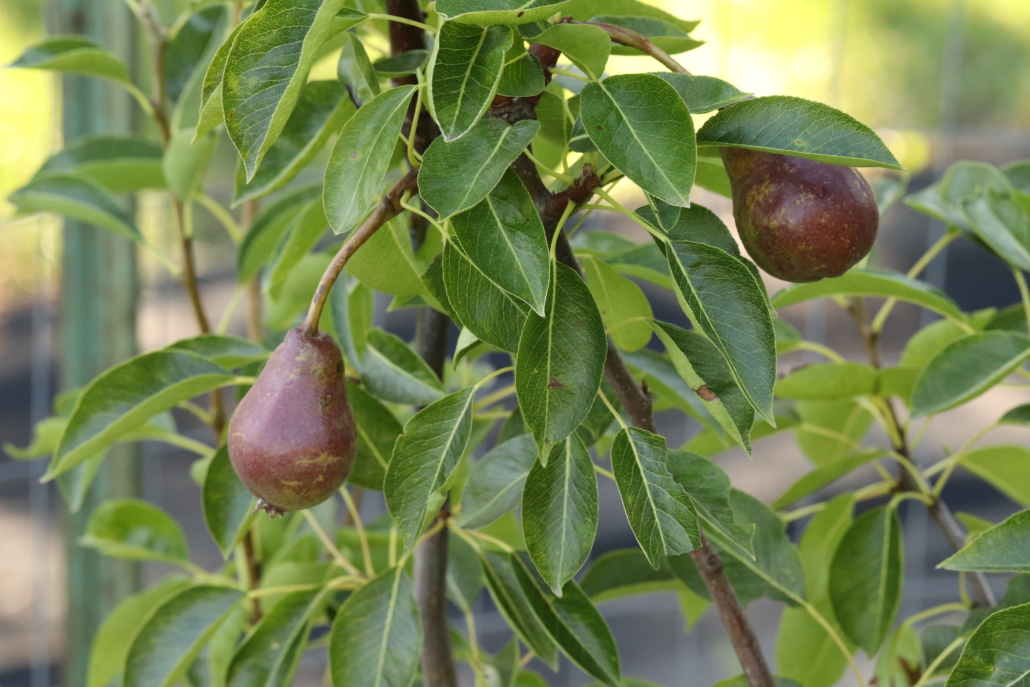
A food forest, also called a forest garden, is a diverse planting of edible plants that attempts to mimic the ecosystems and patterns found in nature. Food forests are three dimensional designs, with life extending in all directions – up, down, and out.

Generally, we recognize seven layers of a forest garden – the overstory, the understory, the shrub layer, the herbaceous layer, the root layer, the ground cover layer, and the vine layer. Some also like to recognize the mycelial layer, layer eight (mushrooms). Using these layers, we can fit more plants in an area without causing failure due to competition.

FOREST GARDEN DESIGN CAN REDUCE INPUTS IN VARIOUS WAYS, INCLUDING:

  • placing emphasis on trees, shrubs, perennials, and self-seeding annuals,
  • planting thickly and using ground covers to shade soil and suppress weeds,
  • utilizing nitrogen-fixing and nutrient-accumulating plants, chop-and-drop techniques, and returning wastes to the land to create healthy soil rather than applying fertilizer,
  • planting a diverse array of plants that attract beneficial insects to pollinate the fruit crops and keep pest populations from exploding and causing damage,
  • utilizing several ground-shaping techniques to keep rain water on the site, and
  • designing for placement of plants to create micro-climates and windbreaks.

A food forest does not have to be re-planted year after year. Once it is established, it is generally very resilient. Deer and rabbits might come and munch some of the herbaceous edibles in some areas, for example, but other species will not be palatable to them or will be out of their reach. Or perhaps some children will come running through the area in wild play, running off path and possibly causing some damage to the ground cover and herbaceous layers. Not only will they usually grow right back, since many will be perennials and have healthy underground systems, but the trees, shrubs, and vines should be undamaged.

Ecosystem creation

A ideal food forest is as organic as possible. But it goes farther than that. Forest gardens depend heavily on a healthy eco-system and cannot be sprayed with herbicides or pesticides or have non-organic fertilizers applied. A healthy ecosystem will take several years to establish itself, especially in a city or open farm area. We have to be patient and let nature take care of itself (while providing the necessary food, water, and habitat for all the components of the ecosystem, otherwise they won’t come).

New Ideas…

Food forests are a new farming concept in our area, but they have been used for thousands of years in other parts of the world. They are complex, just like nature. That’s why another service we offer is education. We will also attempt to teach as many of the users of the food forests as possible what they are, how to maintain them, and about new plants (identification, harvest information, preparation).

Sometimes you need a visual…

Here are some videos from others that will help you see what a food forest is.

And sometimes you just need to experience a food forest in person….

In addition to Project Food Forest’s work partnering with other public and private projects, we operate a demonstration food forest called Prairie Ally in Luverne, MN that is open to the public.  Learn more here: Prairie Ally – Project Food Forest
Need more clarification?
  • Share:
Hostinger Admin

Previous post

January 10, 2022

Next post

January 10, 2022

You may also like

figure-3
Urban heat local food production
25 November, 2022
Vibrant Agro industry
24 November, 2022

Vibrant Agro industry courtesy : Vibrant Agro industry Diokno: Vibrant agriculture, sustained economic growth, key to poverty reduction Finance Secretary Benjamin Diokno stressed the critical role of a robust agriculture industry in growing the economy at a sustainable and inclusive …

download (7)
Waste recycling
24 November, 2022

Leave A Reply Cancel reply

Your email address will not be published. Required fields are marked *

Search

Categories

  • No categories

Contact Us

B-401,Om Kavery CHS Ltd Vijay Nagar, Nallasopara (E) Mumbai, India-401209

Mob:-+91 7979801035

Phone:-+91-250-2341257

Whatsapp :-+91 8369083940

info@internationalsbc.org

Main Menu

Home
About Us
Accreditation Programs
Training
Shop

Quick Links

Career
Contact Us
News
Grab A Franchise
Become A Investor
News

Privacy Policy

Copyright © 2020 International sustainable Building Council

WhatsApp Email Us Callback Request Call Now
Please enter your phone number and we will call you back soon

Thank you

We will call you back soon

Please enter valid phone number