
courtesy : twi
WHAT IS GREEN ENERGY? (DEFINITION, TYPES AND EXAMPLES)
Green energy is any energy type that is generated from natural resources, such as sunlight, wind or water. It often comes from renewable energy sources although there are some differences between renewable and green energy, which we will explore, below.
The key with these energy resources are that they don’t harm the environment through factors such as releasing greenhouse gases into the atmosphere.
How Does it Work?
As a source of energy, green energy often comes from renewable energy technologies such as solar energy, wind power, geothermal energy, biomass and hydroelectric power. Each of these technologies works in different ways, whether that is by taking power from the sun, as with solar panels, or using wind turbines or the flow of water to generate energy.
What Does it Mean?
In order to be deemed green energy, a resource cannot produce pollution, such as is found with fossil fuels. This means that not all sources used by the renewable energy industry are green. For example, power generation that burns organic material from sustainable forests may be renewable, but it is not necessarily green, due to the CO2 produced by the burning process itself.
Green energy sources are usually naturally replenished, as opposed to fossil fuel sources like natural gas or coal, which can take millions of years to develop. Green sources also often avoid mining or drilling operations that can be damaging to eco-systems.
Types
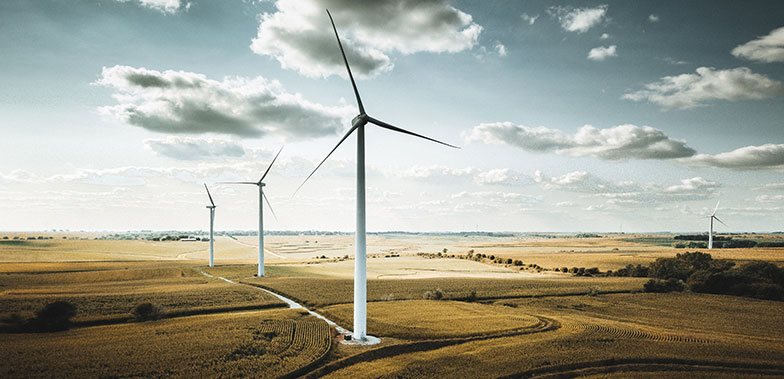
The main sources are wind energy, solar power and hydroelectric power (including tidal energy, which uses ocean energy from the tides in the sea). Solar and wind power are able to be produced on a small scale at people’s homes or alternatively, they can be generated on a larger, industrial scale.
The six most common forms are as follows:
1. Solar Power
This common renewable, green energy source is usually produced using photovoltaic cells that capture sunlight and turn it into electricity. Solar power is also used to heat buildings and for hot water as well as for cooking and lighting. Solar power has now become affordable enough to be used for domestic purposes including garden lighting, although it is also used on a larger scale to power entire neighbourhoods.
2. Wind Power
Particularly suited to offshore and higher altitude sites, wind energy uses the power of the flow of air around the world to push turbines that then generate electricity.
3. Hydropower
Also known as hydroelectric power, this type of green energy uses the flow of water in rivers, streams, dams or elsewhere to produce energy. Hydropower can even work on a small scale using the flow of water through pipes in the home or can come from evaporation, rainfall or the tides in the oceans.
Exactly how ‘green’ the following three types of green energy are is dependent on how they are created…
4. Geothermal Energy
This type of green power uses thermal energy that has been stored just under the earth’s crust. While this resource requires drilling to access, thereby calling the environmental impact into question, it is a huge resource once tapped into. Geothermal energy has been used for bathing in hot springs for thousands of years and this same resource can be used for steam to turn turbines and generate electricity. The energy stored under the United States alone is enough to produce 10 times as much electricity as coal currently can. While some nations, such as Iceland, have easy-to-access geothermal resources, it is a resource that is reliant on location for ease of use, and to be fully ‘green’ the drilling procedures need to be closely monitored.

You may also like

Urban heat local food production
Vibrant Agro industry

