Urban heat local food production
Urban heat local food production
courtesy : Urban heat local food production
Introduction
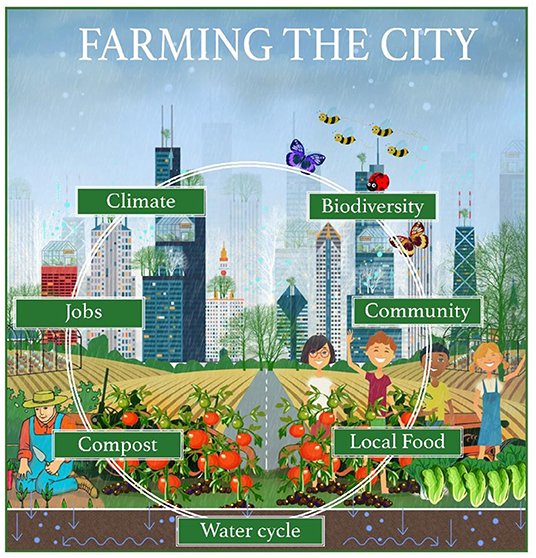
Today, urban centres have a higher population density than their rural counterparts; by 2050, two-thirds of the world’s population is predicted to live in cities, with this number projected to increase by 1.44 percent over the next decade. Also, Africa and Asia will account for 90% of urbanisation until 2050. Crop production in and around cities is gaining popularity in many places worldwide, with a range of forms, different backgrounds, and passions. There has also been an upsurge in literature and debate about the growing interest in urban farming in academics and the media. (UF) , maintain that, like Urban Agriculture, Urban farming is regarded as an agricultural practice that primarily involves growing crops on the outskirts of cities, primarily for economic gain, and is motivated and operated by experts with medium to large distribution channels ranging from direct marketing to global supply chains. Many scholars use different terms to explain the agricultural practice in towns and cities, like ‘urban agriculture’, professional urban agriculture’ ‘professional farms’ ‘urban agriculture and growing crops on the outskirts of cities . In their work, the role of a community toward urban farming activities, described urban farming as food or livestock production or processes carried out within the metropolitan area or around the urban centres to generate income. Thus, urban agriculture in the same vain refers to the intensive plant cultivation and livestock farming used in the production, processing, and delivery offood and other products., horticulture, aquaculture and other practices, for producing fresh food in and around cities for feeding local population. The term “urban heat island” refers to the phenomenon of high air temperature in urban areas compared to rural counterparts. This, according to , include small-scale urban farming, land sharing, residential food production, land sharing, allotment, schoolyard gardens, rooftop gardens and beehives, restaurant-supported salad gardens, guerrilla gardening, food production in public spaces, balconies and vegetable growing in window sills and other activities”. There has been a lot of research on urban agriculture and the effects of urban heat islands, and this study aims to explore the impacts of urban heat islands, their causes and highlight how urban agriculture can be used in mitigating some of its consequences and to revive awareness about the importance of agriculture further. Urban areas and the impact of the urban heat island effect on urban populations in developing countries.
#Urban heat island
#ISBC
# Urban heat local food production

You may also like
Vibrant Agro industry

Waste recycling