
Waste reduction
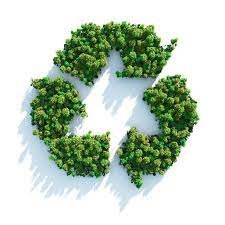
Waste reduction
courtesy : Waste reduction
Waste reduction also known as source reduction, is the practice of using less material and energy to minimize waste generation and preserve natural resources. Waste reduction is broader in scope than recycling and incorporates ways to prevent materials from ending up as waste before they reach the recycling stage. Waste reduction includes reusing products such as plastic and glass containers, purchasing more durable products, and using reusable products, such as dishrags instead of paper towels. Donating products, from office equipment to eyeglasses and clothing, reduces the amount of material manufactured overall. Purchasing products that replace hazardous materials with biodegradable ingredients reduces pollution as well as waste. In general, waste reduction offers several environmental benefits. Greater efficiency in the production and use of products means less energy consumption, resulting in less pollution. More natural resources are preserved. Products using less hazardous materials are used. Finally, less solid waste ends up in landfills.
# landfills
Waste reduction also means economic savings. Fewer materials and less energy is used when waste-reduction practices are applied. Rather than using the traditional cradle-to-grave approach, a cradle-to-cradle system is adopted. In this cradle-to-cradle system, also called industrial ecology, products are not used for a finite length of time. Instead of disposing of materials, or the components of a product after a single use, products are passed on for further uses. This is considered a flow of materials. This can be applied within an organization, or between organizations that may be considered unrelated, on a cooperative basis. For example, a cotton manufacturer sends its unwanted scraps to an upholsterer, who uses the scraps as stuffing in chairs. When the life span of the chair is reached, the materials are returned to the manufacturer, who reuses the parts with endurance. The damaged upholstery, which was originally created using nonhazardous materials, is sold to a local farmer who uses it in composting. Money is also saved through reduced purchasing. Waste-disposal costs are decreased because fewer materials end up as waste.
#points
Waste can be reduced by individuals, businesses, institutions such as hospitals or educational facilities, organizations, municipalities, or government agencies. There are several ways individuals can practice waste reduction:
(1) Reusing products.
This could mean reusing file folders rather than throwing them away after one use, or refilling water bottles
(2) Using products more efficiently.
This could mean using both sides of paper in photocopying
(3) Donating or exchanging products or materials that may seem useless, but that another party may find valuable. For example, the chair manufacturer mentioned above had no internal use for the scrap upholstery leftover after recycling the more durable parts of the used chairs. However, a cooperative agreement with a local farmer allowed the scraps to be used once again, benefiting the farmer by adding to his compost.
#ISBC

You may also like

Urban heat local food production
Vibrant Agro industry

