
Green campus
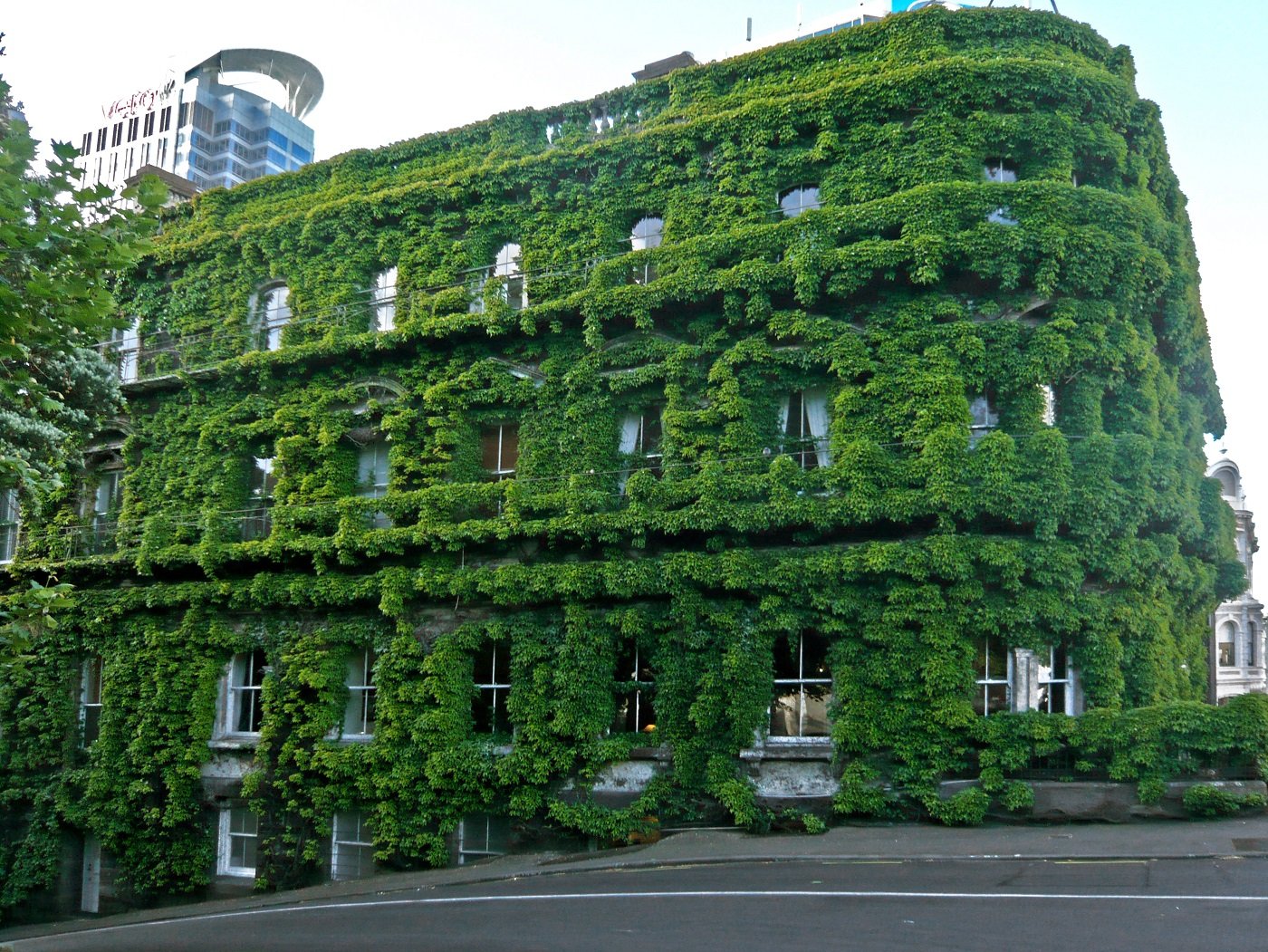
GREEN CAMPUS
courtesy : Green campus
GREEN CAMPUS
As a University, we hold people, the planet and all living things in the highest regard. Our strategy commits us to reducing our environmental impact and improving sustainability across the institution. Our third strategic priority for 2015 to 2020 is sustain – we are committed to making a positive environmental impact and contributing to a sustainable future. This is reflected across the institution – from the curriculum to our estate to the food we serve on campus. Read our Sustainability Statement. The university has an Environmental Strategy which was signed off in 2018 and this is reported against annually detailing progress against targets set. The university has committed to being carbon neutral by 2030, although we aspire to get there by 2025.
REUSE, RECYCLING & WASTE
The University is committed to reducing the total amount of waste produced through the running of campus services. We work with our staff, students, visitors and Procurement Team to achieve these reductions. Alongside waste reduction, we have set ourselves the ambitious recycling target of 80%. The University is in an innovative waste and recycling contract with the Universities of Southampton, Solent, Portsmouth, Bournemouth, Bournemouth Arts and Southampton City College. Together, we form the South Coast Affinity Group (SCAG) and share our services, expertise, and vision of waste management, focusing on reuse and recycling. The current academic year of 2021/22 has seen the recovery of recycling rates to pre Covid-19 levels which the University views as a great success considering the radical behavioural changes due to the pandemic. The University’s current recycling rate in 2021/22 is 64%. This is up from 14% in January 2009, and matches the recycling rates achieved in 2018/19. Since 2013 the University has not sent any waste to landfill instead waste which cannot be recycled is sent for energy recovery. We operate a three-bin system across campus and in halls of residence for dry mixed recycling, general waste, and food waste. Food waste from halls, residences, catering outlets and office kitchens is sent for anaerobic digestion and our waste cooking oil is converted into biodiesel. We also collect other forms of materials that cannot go into conventional recycling streams through Terracycle and Reworked recycling schemes, this includes items such as stationery, PPE (face masks), corks and crisp packets. Gumdrop bins for recycling chewing gum are located across the campuses which aim to reduce the littering of chewing gum. The gum collected is recycled and used to form our Gumtec coffee cups which students and staff are provided with and encouraged to use in place of disposable coffee cups. The University is auditing single-use plastic usage across the organisation, after the publication of its Single Use Plastic Strategy in 2021 which outlined aims to reduce single-use plastic items at the University.
#South Coast Affinity Group (SCAG)
#biodiesel
#REUSE, RECYCLING & WASTE
#ISBC

You may also like

Urban heat local food production
Vibrant Agro industry

