
Green ship
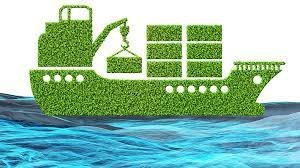
Green ship
courtesy : green ship
Information
Ship Recycling Activities involve both Economy and Ecology in equal proportion. If the Economic part of the ship recycling activity is not taken care of, the existence of Ecology is endangered. In the same way, if Ecology is not protected, the purpose of this Green Ship Recycling is not solved. Thus, it is very important to understand the inter connectivity aspects involved in the Ship Recycling activity. With the growth of Ship Recycling activities, the awareness towards maritime environment has increased and the concept of Green Ship Recycling took the main stand. Green ship recycling has become an important issue in the maritime industry, especially following the adoption of the Hong Kong Convention. The Convention is aimed at ensuring that ships, when being recycled after reaching the end of their operational lives do not pose any unnecessary risks to human health, safety and to the environment. There are several reasons that have made the concept of green ship recycling famous, such as:
• To isolate those parts of the ship which are harmful and dangerous to both marine and human lives
• To conserve marine ecosystem by proper discarding ship breaking wastes
• Recycling those parts of the ship that are important and can be recycled successfully for other purposes
Ship Recycling Industries Association (SRIA) is one of the oldest and largest Association working for the welfare of owners and workers of Ship Recycling Yard. The Association not only safeguards the interest of Ship Recycling Activity, it also promotes “Green Ship Recycling”. May be in the current scenario of ship recycling boom, many more associations may creep in boasting of green recycling, but on ground realities, Ship Recycling Industry Association (India) honors its commitment of green recycling of each and every yard at Alang.
The Hong Kong Convention intends to address all the issues around ship recycling, including the fact that ships sold for scrapping may contain environmentally hazardous substances such as asbestos, heavy metals, hydrocarbons, ozone depleting substances and others. It also addresses concerns raised about the working and environmental conditions at many of the world’s ship recycling locations. A ship contains hazardous and no-hazardous substances, which cannot be totally reused or recycled, hence need to be disposed off in a proper manner to serve the purpose of Green Ship Recycling.
New technologies for greener shipping” is this year’s World Maritime Day theme in a bid to reflect some of the most pressing environmental challenges increasingly affecting the future of the world and the maritime industry.
Climate change, marine pollution, and maintaining biodiversity are among the most alarming issues at the top of the shipping industry’s agenda. Accounting for over 80% of the world’s transported goods, ships, which mostly use fossil fuels, produce CO2 emissions that significantly contribute to global climate change and acidification.
In addition, underwater noise generated by ships, plastics waste from vessels and water contamination from biofouling are only a few ways in which shipping pollutes the world’s oceans, significantly affecting marine life and ecosystem balance. It goes without saying that the promotion of green sustainability and sustainable maritime development is one of the major priorities of IMO in the coming years.
With this in mind, the theme seeks to highlight the need to support a green transition of the maritime sector into a sustainable future. More specifically, the IMO aimed at an opportunity to promote inclusive innovation R&D and technology cooperation and to showcase solutions for decarbonization and more environmentally friendly shipping, especially in the context of developing countries, and in particular the small island developing States (SIDS) and least developed countries (LDCs). The topic namely addresses four of the 17 UN Sustainable Development Goals
#green ship
#Ship Recycling Industries Association (SRIA)
#ISBC
#least developed countries (LDCs)

You may also like

Urban heat local food production
Vibrant Agro industry

