
Health consideration
COURTESY : www.kff.org/
Health consideration
This brief explores factors contributing to poor mental health and substance use outcomes among children during the pandemic, highlighting groups of children who are particularly at risk and barriers to accessing child and adolescent mental health care. Although data on child and adolescent mental health have historically been limited, where possible, we draw upon data from the National Survey of Children’s Health, the Youth Risk Behavior Surveillance System, and the National Survey on Drug Use and Health, in addition to surveys conducted during the pandemic. Key takeaways include:
- Several pandemic-related factors may negatively impact children’s mental health. Social distancing and stay-at-home orders could lead to loneliness and isolation among children – known risk factors for poor mental health. Income insecurity and poor mental health experienced by parents during the pandemic may also adversely affect children’s mental health and may be associated with a possible rise in child abuse.
- Adolescents, young children, LGBTQ youth, and children of color may be particularly vulnerable to negative mental health consequences of the pandemic. During the pandemic, more than 25% of high school students reported worsened emotional and cognitive health; and more than 20% of parents with children ages 5-12 reported their children experienced worsened mental or emotional health. A survey of LGBTQ youth found that many LGBTQ adolescent respondents (ages 13-17) reported symptoms of anxiety (73%) and depression (67%) and serious thoughts of suicide (48%) during the pandemic. Although data is limited on children of color, research suggests that even before the pandemic they had higher rates of mental illness, but were less likely to access care.
- Prior to the pandemic, many children with mental health needs were not receiving care; and it is possible that access to mental health services has since worsened. Data shows that there have been large declines in pediatric mental health care utilization since the pandemic began. Access to mental health care via telehealth has increased, however, access via schools – a commonly utilized site of care for children and adolescents – may have decreased due to school closures.
- Several bills that include funding related to children’s mental health have been introduced during the pandemic. The recently passed American Rescue Plan Act allocates funding for pediatric mental health care access and youth suicide prevention. The American Jobs Plan and American Families Plan propose additional funding for services to benefit children, including upgraded schools and nutrition programs.
Factors Contributing to Poor Mental Health Among Children During the Pandemic
Children’s mental health during the pandemic may be negatively affected by social distancing and stay-at-home orders, which could lead to loneliness and isolation – known risk factors for poor mental health outcomes. Nearly a quarter of high school students report feeling disconnected from their classmates during the pandemic. Research has broadly shown that loneliness is associated with anxiety and depression among children. Additionally, the duration of a child’s experience of loneliness is linked to mental health problems later in life. Pandemic-related isolation and quarantines may also lead to some children experiencing separation anxiety from their parents or caregivers and fear of themselves or family members becoming infected.
Many parents are experiencing stress and poor mental health during the pandemic. This may be due to a number of factors, including parents balancing both work and childcare, and parents facing income insecurity (49% of households with children reported a loss of employment income and 61% reported difficulty paying for usual household expenses in late March 2021). The poor mental health of parents may adversely affect children’s mental health. Additionally, children in low-income households are at greater risk for mental health issues and are less likely to have access to needed mental health care, compared to children in high-income households.
Media reports suggest child abuse may have increased in light of the pandemic, although it is unclear based on available data. The pandemic’s negative impact on parents’ mental health and stress may be associated with the possible rise in child abuse. Child abuse can lead to immediate emotional and psychological problems and is also an adverse childhood experience (ACE) linked to possible mental illness and substance misuse later in life. Reports of child abuse have dropped since school closures began, and child abuse-related emergency department (ED) visits have decreased throughout the pandemic. However, the severity of injuries among these ED visits has increased and resulted in more hospitalizations; and it is possible that due to school closures and stay-at-home orders during the pandemic, many cases are going undetected, since educators play a primary role in identifying and reporting child abuse. Research has also found that cases of child abuse increased during the previous recession.
Special Mental Health Considerations for Adolescents and Children
Research during and leading up to the pandemic suggests that adolescents, young children, LGBTQ youth, and children of color may be particularly vulnerable to negative mental health consequences of the pandemic, including anxiety and depression.
ADOLESCENTS
Throughout the pandemic, data has shown that adolescents have experienced poor mental health outcomes. Shortly after the pandemic began, more than 25% of high school students reported worsened emotional and cognitive health. A more recent survey of high school students found that only one-third felt they were able to cope with their sources of stress, which include strained mental health and peer relationships. Private insurance data also shows that while all health care claims for adolescents ages 13-18 were down in 2020 compared to 2019, mental health-related claims for this age group increased sharply.1 The most frequently diagnosed mental health conditions in 2020 were depression, anxiety, and adjustment disorder. Even before the pandemic, 7% (1.8 million) of high school students had depression and 13% (3.1 million) had anxiety (Figure 1).
It is unclear whether suicidal ideation and suicides have increased among adolescents; however, media reports and a study of a pediatric emergency department suggests they may have in light of the pandemic. Prior to the pandemic, serious thoughts of suicide were already on the rise among high school students (from 14% in 2009 to 19% in 2019, Figure 2). Suicide was also the second leading cause of death among adolescents (ages 12-17) in 2019, resulting in 1,580 deaths.2
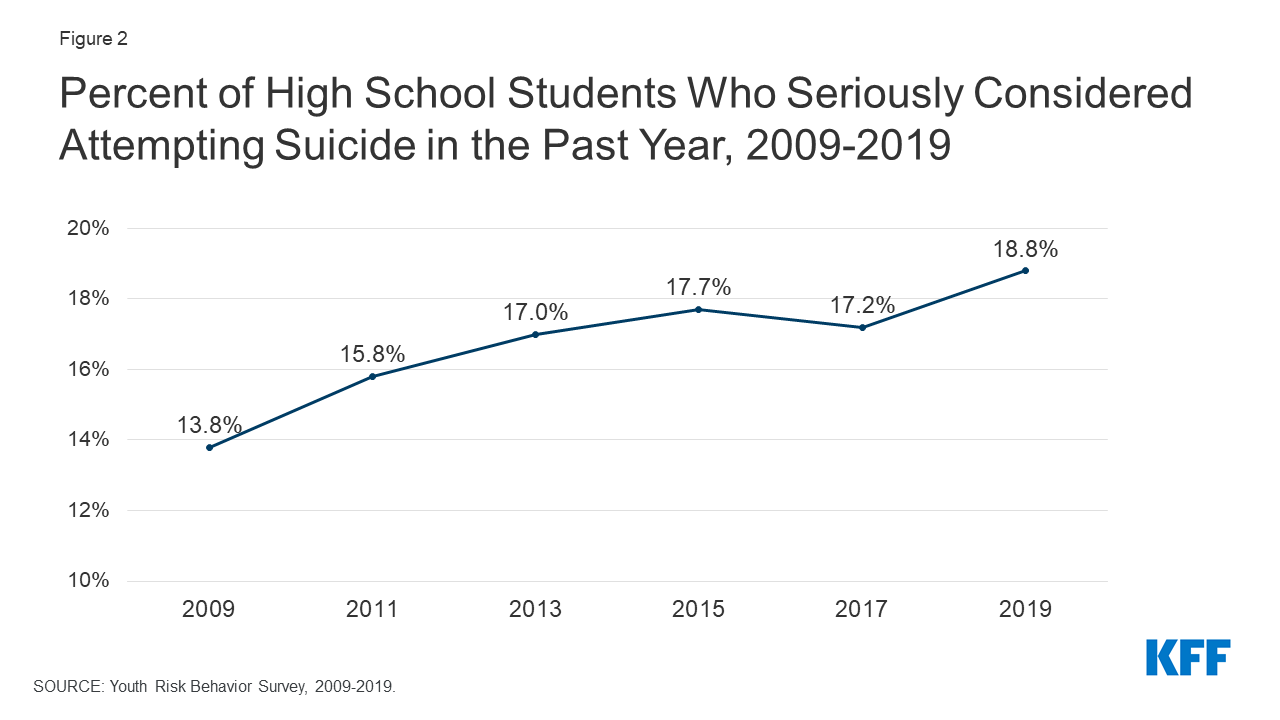
Figure 2: Percent of High School Students Who Seriously Considered Attempting Suicide in the Past Year, 2009-2019
Some evidence also shows that substance use disorders and overdoses among adolescents are increasing during the pandemic. Solitary substance use, as opposed to social substance use, has increased among adolescents during the pandemic. An analysis of private insurance data found that, in general, claims for substance use disorders and overdoses increased as a share of all medical claims for adolescents ages 13 to 18 in 2020, compared to 2019.1 Prior to the pandemic, 1.1 million adolescents reported having a substance use disorder in the past year. When substance use begins at younger ages, it is more likely to persist into adulthood and increase the risk of addiction.
YOUNG CHILDREN
During the pandemic, parents have reported that young children experienced worsened mental health outcomes. Young children may be experiencing worsened mental health due to pandemic-related disruptions in their routine and caregiving or stressful home environments. Forty-seven percent of parents with children who are not yet school-age reported they are more worried about their children’s social development than they were before the pandemic. During the pandemic, parents with children ages 5-12 reported their children showed elevated symptoms of depression (4%), anxiety (6%), and psychological stress (9%); and experienced overall worsened mental or emotional health (22%) (Figure 3). Parents of children attending school virtually were more likely to report their children experienced overall worsened mental or emotional health than parents of children attending school in-person (25% vs. 16%, respectively).
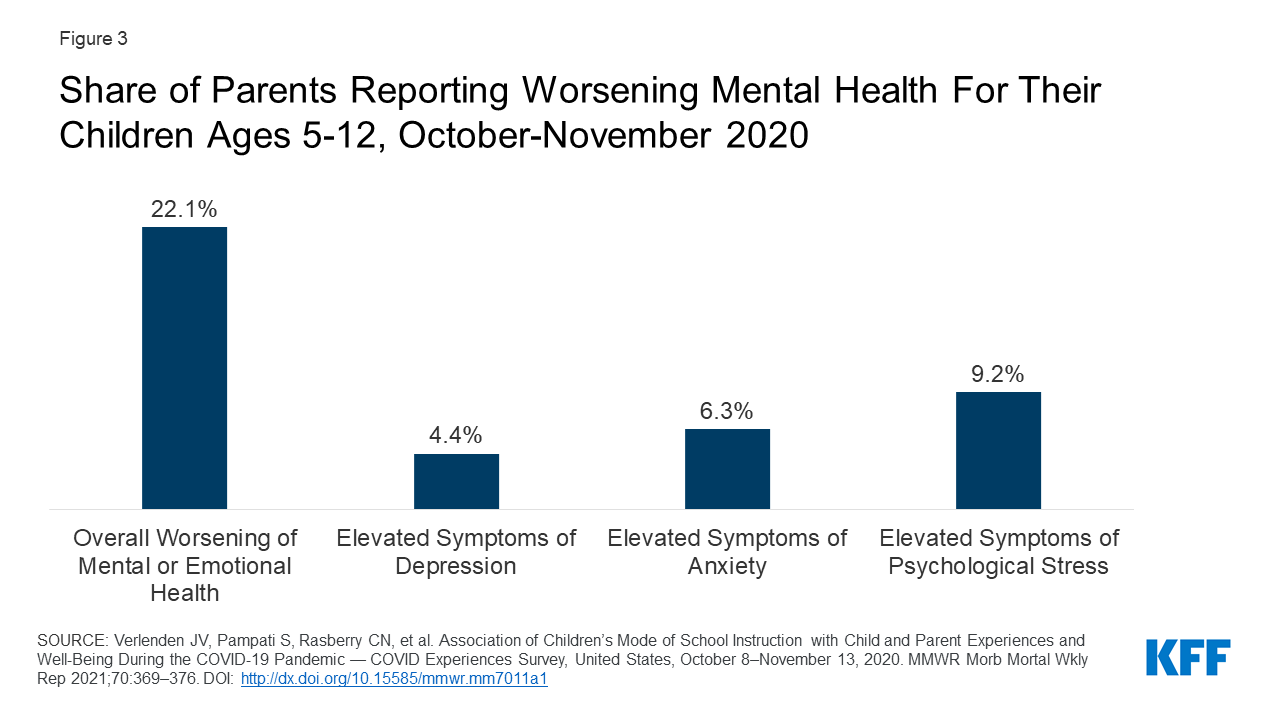
Figure 3: Share of Parents Reporting Worsening Mental Health For Their Children Ages 5-12, October-November 2020
An analysis of private insurance data found that claims for OCD and tic disorders increased as a share of all medical claims for children ages 6 to 12 in 2020, compared to 2019.1 ADHD was the top mental health diagnosis for children ages 6 to 12 during 2020; however, claims for ADHD decreased as a share of all medical claims, compared to 2019. This decrease may be due to teachers being unable to observe possible signs of ADHD as they typically would during in-person instruction.
LGBTQ YOUTH
Research suggests that lesbian, gay, bisexual, transgender, and queer or questioning (LGBTQ) youth may be particularly vulnerable to negative mental health outcomes during the pandemic. A non-probability survey of LGBTQ youth conducted in Fall 2020 found that large shares of adolescent respondents (ages 13-17) reported symptoms of anxiety (73%) or depressive (67%) disorder in the past two weeks; and 48% seriously considered attempting suicide in the past year. Prior to the pandemic, LGBTQ youth were already at increased risk for depression, suicidal ideation, and substance use. In 2019, 66% of lesbian, gay, and bisexual high schools students reported persistent feelings of sadness and hopelessness (compared to 37% of all high school students) and 47% reported serious thoughts of suicide (compared to 19% of all high school students) (Figure 4). Larger than average shares of lesbian, gay, and bisexual youth also reported substance use before the pandemic.

You may also like

Urban heat local food production
Vibrant Agro industry

