
Green contruction material
courtesy : the constructer
green contruction material
We are traditionally used to using earth bricks, concrete, and wood in construction. They have been, and continue to be used in everyday construction, meaning the continued destruction of trees for timber, and the mining of resources to produce cement for binding sand, gravel, and bricks. For a better world, there are new processes, and sustainable as well as green building material alternatives that can be used in construction today. Here are the top 15 sustainable and green building materials in construction.
is considered one of the best eco-friendly building materials. It has an incredibly high self-generation rate, with some being reported to have grown up to three feet within 24 hours. It continues spreading and growing without having to be replanted after harvest. Bamboo is a perennial grass and not wood and grows on every continent, except Europe and Antarctica.
2. Precast Concrete Slabs
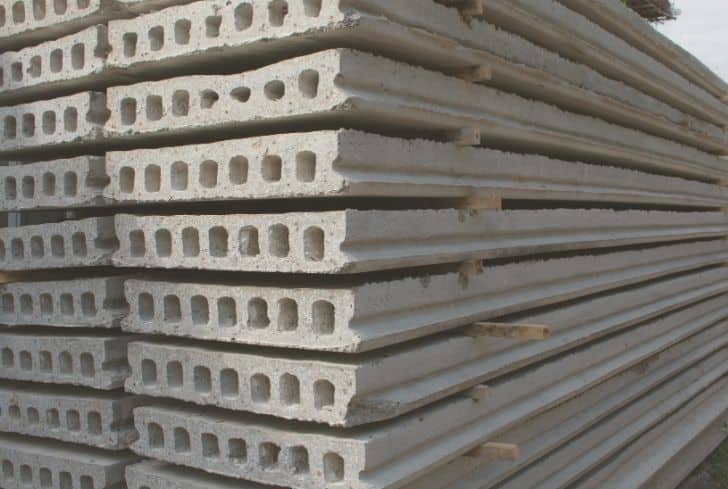
The slabs are formed at a manufacturer’s site and are shipped in whole sections to construction sites. Some are made entirely of concrete but have large hollow air spaces, like concrete blocks. Precast concrete slabs are used for walls and building facades as they hold up well to all sorts of weather, while others can be used for floor and flat roofs.
Concrete is an excellent way of controlling heat within a building and is affordable as a building material. The sustainability of precast concrete slabs is higher than many traditional concrete options as the slabs often take much less energy to produce and assemble. Precasting concrete also allows the material to properly cure in a controlled environment, rather than exposing it to a variety of unfavorable weather conditions while curing at a construction site. As such, precast concrete slabs avoid cracks and structural faults within the concrete and eventual demolitions.
Just like bamboo, cork grows very quickly. It can also be harvested from a living tree, which continues to grow and reproduce more cork, which is a tree bark. Cork is resilient, flexible and reverts to its original shape even after enduring sustaining pressure. Its resilience and resistance to wear, makes it a common element in floor tiles.
It also excellently absorbs noise, making it perfect for insulation sheets, and due to its excellent shock absorption qualities, it perfect for sub-flooring. It can also be a good thermal insulator as it is fire resistant, especially if untreated, and does not release toxic gases when it burns. Cork, in being nearly impermeable, does not absorb water or rot.
It also excellently absorbs noise, making it perfect for insulation sheets, and due to its excellent shock absorption qualities, it perfect for sub-flooring. It can also be a good thermal insulator as it is fire resistant, especially if untreated, and does not release toxic gases when it burns. Cork, in being nearly impermeable, does not absorb water or rot.
Unfortunately, it can only be sourced from the Mediterranean, making shipping it a bit costly. Fortunately, it is extremely light and only requires less energy and emissions to ship.
4. Straw Bales
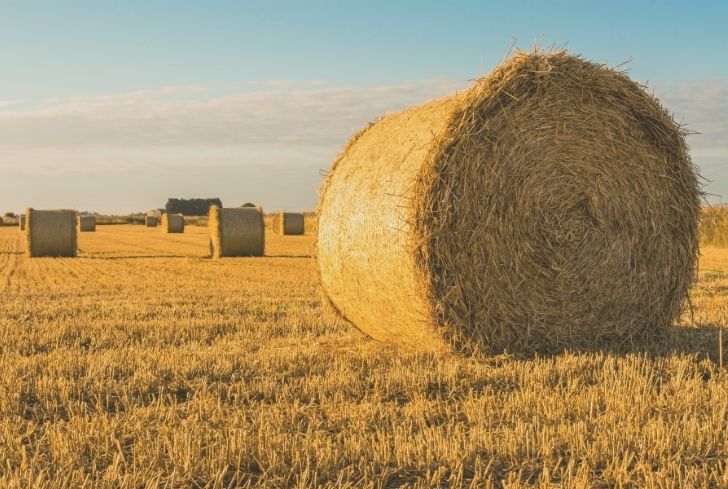
It is another green building material that can be used as a framing material. They have good insulation properties and can act as soundproof material. It can also be used as fill material in between columns and in beams framework/ as they cannot allow air through, they can have some fire resistance properties.
Straw can be harvested and re-planted easily with minimal environmental impacts. Making straw into bales also has very low influence. They can also be placed in walls, attics and ceilings, to contribute to cooler the house in the summer and warmer temperatures in the winter.
5. Recycled Plastic
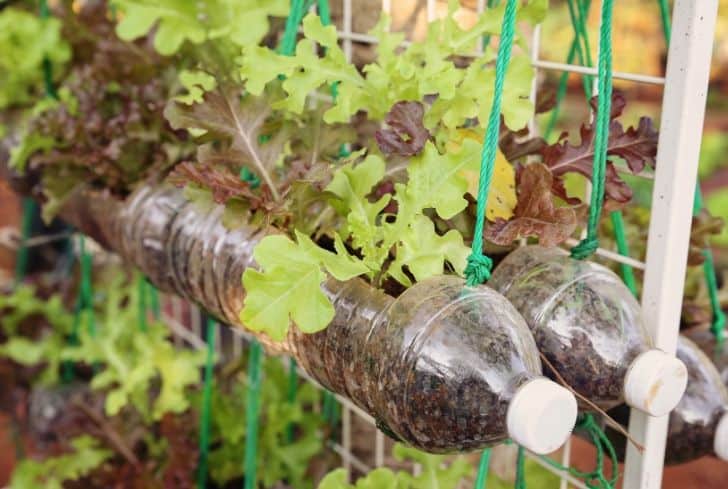
Rather than sourcing, mining and milling new components for construction, manufacturers are using recycled plastic and other ground-up trash to produce concrete. The practice is reducing greenhouse gas emissions and is giving plastic waste new use, rather than clogging landfills and contributing to plastic pollution.
A blend of recycled and virgin plastic is also used to make polymeric timbers, for use in making fences, picnic tables and other structures, at the same time, saving trees. Plastic from two-liter bottles can be spun into fiber for the production of carpets. Reused plastic can also design products such as cable pipes, roofs, floors, PVC manholes, and PVC windows.
Reclaimed Wood
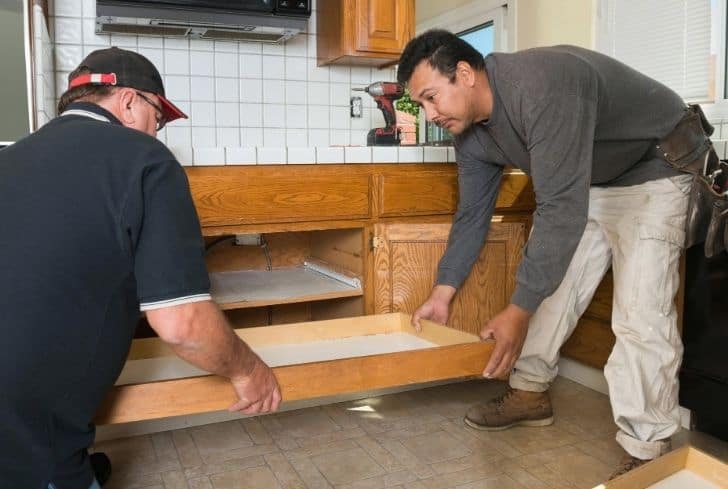
Using reclaimed wood is one of the most environmentally responsible ways to save trees and reduce the amount of lumber in landfills. Reclaimed wood can be found in retired barns, excavation companies, home remodeling contractors and companies, salvage yards, and shipping crates and pallets.
Reclaimed wood is good for structural framing, cabinetry, and flooring. It is lightweight but has less strength and each piece’s integrity should be assessed and chosen for an appropriate project. Also, most wood is susceptible to insects and degradation, meaning it needs reinforcement and additional treatment.

You may also like

Urban heat local food production
Vibrant Agro industry

