
renewable energy
courtesy : power and fuel
green renewable energy
Wind and solar power are bringing about a clean energy revolution. Here is everything that you need to know about renewable energy, the different types, and the advantages and challenges of it, plus a look to the future.
Related Companies

Renewable energy, sometimes referred to as “clean” or “green” energy, is a booming innovation that is bringing down energy costs and delivering on its promise of a cleaner, greener future. Across the world, from Europe to America, solar and wind generation are breaking record after record as they slowly start to penetrate national electricity grids without compromising on electricity.
This means that renewable energy sources are slowly but surely displacing “dirty” energy sources, such as fossil fuels (e.g., coal and oil) in the power sector and offering the benefit of lower emissions and pollution levels.
When we say, “renewable energy”, “renewable energy sources”, or “green energy” we mean any energy from a source that is not depleted when used, such as the wind or sun; we can use an unlimited amount of the sun or wind’s energy because its supply is infinite.
While renewable energy is sometimes thought of as a new technology, harnessing the power of nature has long since been used for heating, lighting, transportation, and more. Wind, for example, has been used for hundreds of years by sailors to move boats across the ocean. Meanwhile, farmers have long since relied on the wind to make their windmills turn and grind down grain. The sun has also been used for a very long time to help kindle fires and in some cases for cooking.
However, over the course of the last few hundred years and especially during the industrial revolution, humans have turned to cheaper and dirtier energy sources. While these are not more abundant than renewable sources like the sun and wind, they are much more convenient and efficient to use… or, at least, they have been up until now.
Now that we have innovative and cheaper ways to capture and retain renewable energy sources such as the sun and wind, renewables are becoming a much more important power source. In Europe, for example, energy from renewable sources made up 34 percent of gross electricity consumption, up from 32 percent in 2018. The renewables expansion is happening on both a large and small scale, from rooftop solar panels on homes to giant offshore wind farms and battery plants. Renewables have become so reliable, in fact, that some rural communities rely on it entirely for lighting and heating.
When we say, “dirty energy”, we are referring to fossil fuels such as oil, gas, and coal. These are non-renewable (i.e., finite: once they are gone, they are gone for good) and only available in limited amounts. While it is true that these sources do replenish, it takes a very, very, very long time—in some cases, millions of years—to replenish.
Non-renewable energy sources are also only able to be found in certain parts of the world. This means they are more plentiful in some nations than others, such as the “oil-rich” Arab states. In contrast, every country on Earth has access to renewable sources such as the sun and wind. Prioritizing renewable energy therefore levels the playing field and makes countries less reliant on others, something which has a knock-on effect on things like national security.
Finally, non-renewable energy sources are a risk to the environment and human health. Oil drilling, for example, might require strip mining or fracking, which can cause earthquakes and water pollution. It can also damage habitats. Some non-renewables, such as coal, can lead to air pollution which is not only bad for our health but contributes to global warming.
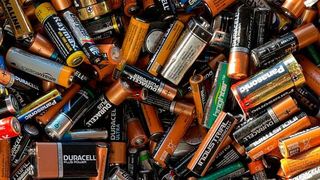
BATTERY TECHNOLOGY
Voltage shifting technology to shift the future of renewable energy
Why does renewable energy matter?
Renewable energy sources account for a growing chunk of energy consumption in Europe, the U.S., and the wider world.
They are a fast-growing source of clean, low- or zero-carbon electricity. While cost can sometimes be a barrier to the adoption of renewable sources—as we will explore in more detail later—rapid advances in technology, supply chains, and government policy have contributed to their growth in recent years.
These renewable energy sources are important because they provide reliable power supplies and fuel diversification. These help to improve energy security, the environment, and conserve natural resources and habitats. They also reduce the need for costly fuel imports and accidents such as oil spills, such as the Deepwater Horizon oil spill of 2010 which claimed the lives of 11 rig workers and millions of marine animals, including mammals, birds, and fish.

You may also like
Urban heat local food production
Vibrant Agro industry