Key Advantages of IoT (Internet of Things) Water Management Systems
Key Advantages of IoT (Internet of Things) Water Management Systems
Water scarcity will directly affect nearly 20% of the human population by 2025, according to several UN reports, and indirectly influence the rest of the planet’s inhabitants as well as economies and the whole ecosystems.
Smart water systems based on the combination of Internet of Things, big data and AI technologies can help stop these predictions from happening and undo the damage the imprudent usage of water resources has already caused.
Let’s learn how exactly smart water systems impact the consumption, conservation and quality of water resources on the planet.
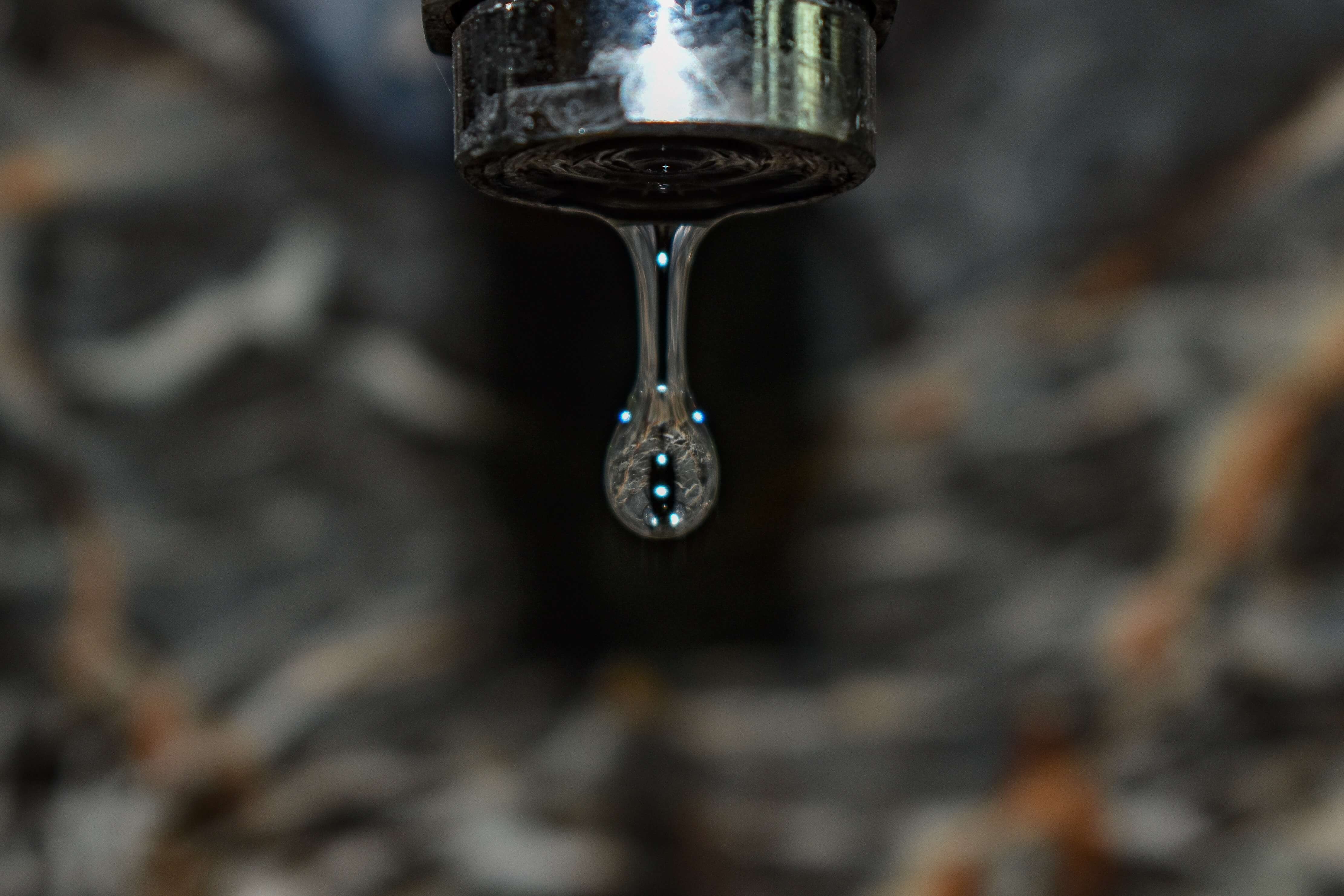
Smart water management requires the integration of systems and a complex of measures to monitor, control and regulate the usage and quality of water resources as well as maintain the associated equipment (pipes, pumps, etc.).
There’s a wide range of hardware and software instruments, including sensors, meters, data processing and visualization tools, actuators and web and mobile controls connecting people with water systems.
Let’s learn about the technologies behind smart water management systems in more detail.
Today, smart water technology brings transparency and improved control to the whole water supply chain starting from a freshwater reservoir to wastewater collecting and recycling.
This category includes IoT devices for water management, systems and software tools that help optimize production, distribution and consumption of water and enable smart water treatment practices.
Sensors
Sensors have broad applications in smart water management due to their great diversity and purposes. In a very basic water supply chain, sensors measure:
- the quality of raw catchment water, the chemical composition in the water after treatment and wastewater, etc.
- changing quantity in the storage reservoir,
- pressure on the pipes in the distribution pipeline,
- wear of the equipment and machinery that process and distribute water to end-users, and more.
Using the data collected by IoT water sensors, managers at different points of the water supply chain receive key insights into the changing conditions of water resources and equipment and can take data-driven corrective measures on demand.
Smart meters and monitoring systems
Smart meters and monitoring hubs allow real-time water consumption measuring, help identify overly excessive usage and waste points as well as correct usage patterns and make predictions for future consumption.
This water management technology is useful for production and distribution managers and bulk households. Using smart meters and water monitoring systems, we can correct water consumption routines and reach sustainability and budgeting goals.
Automated distribution systems and precision algorithms
More and more companies switch to fully automatic water management practices. Using environmental sensors and predefined or machine learning algorithms, distribution systems can dynamically regulate and control the supply of water. In the case of smart irrigation, for example, sprinklers provide just enough water depending on the reads from soil moisture, air humidity and crop condition sensors.
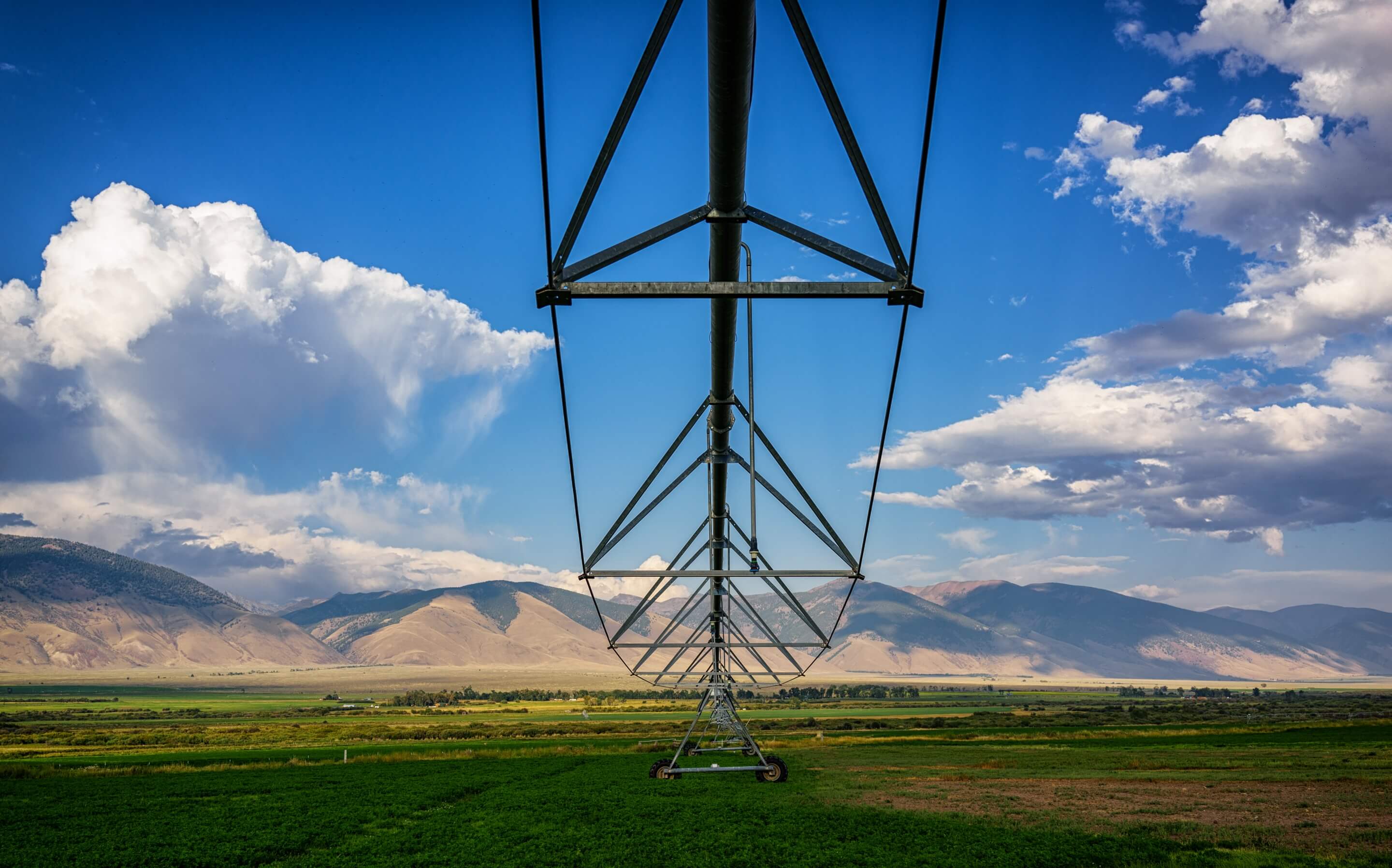
The primary objective of smart water management is reasonable and sustainable usage and recycling of water resources. Growing population, increasing environmental issues and pressure on the food and agriculture sector make water even a more precious asset.
In this respect, water management technologies and activities pursue the following objectives:
- Reduce wasting water used in high volumes for agriculture, manufacturing, power production. It implies the introduction of high-tech practices like precision farming, smart irrigation, crop water management, real-time water metering. Learn about our agriculture software development services.
- Improve water quality and prevent contamination by chemical waste and natural pollution such as acidification. In order to improve and maintain the quality of water, companies use sensors and IoT technology for real-time monitoring and control.
- Enhance the efficiency of water systems such as water collectors, treatment plants, distribution mains and wastewater recycling centers. Using IoT and data solutions for asset management, companies can keep important measurements such as water pressure, temperature, flow, etc. at hand, integrate predictive maintenance and avoid breakage and downtime of equipment.
- Implement leakage control by using smart water management devices equipped with leak and moisture sensors. Given that almost $3 billion are spent on fixing the damage caused by leakage yearly, leakage control is essential to keep water resources and budgets safe.
- Practice consumption monitoring via IoT-based water management systems. It helps to optimize and keep under control the usage of water resources at different levels — households, communities, countries and the whole planet.
source: Digiteum

You may also like

Urban heat local food production
Vibrant Agro industry